
Buying a home in the Philippines is a major dream for many Filipinos and Overseas Filipino Workers (OFWs). However, raising a massive lump-sum down payment or securing an immediate home loan can feel like a steep climb. Rent-to-own Philippines arrangements offer an alternative path to homeownership.
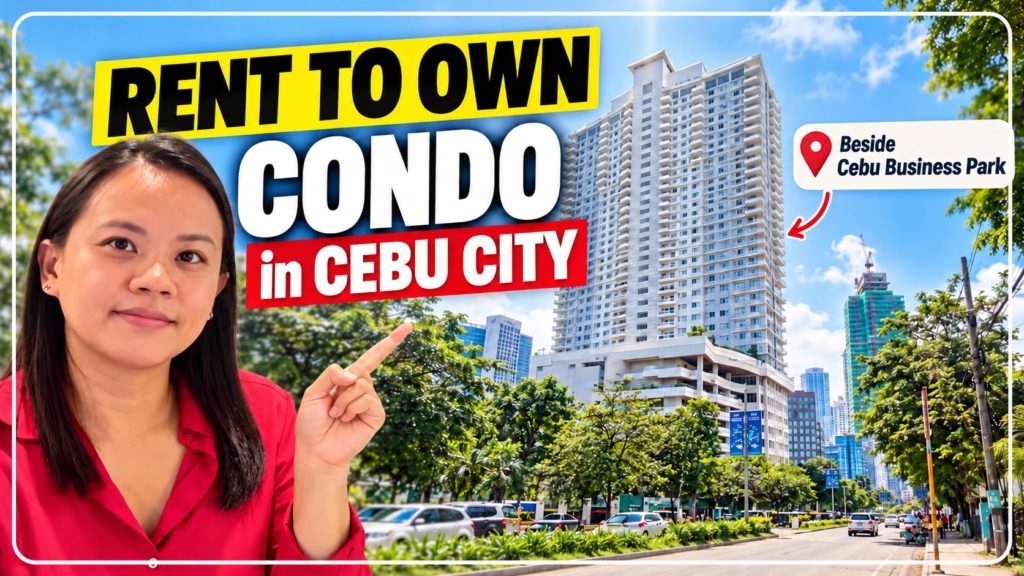
The Rent-to-Own (RTO) scheme, also known as a Lease-to-Buy arrangement allows you to move into your prospective home right away, paying monthly rent while building equity toward buying the property outright.
Whether you’re looking for a house and lot or a condominium, rent-to-own arrangements may allow you to occupy a property while working toward ownership under agreed payment terms.
If you are exploring alternative paths to homeownership, here is a breakdown of how rent-to-own works in the Philippines, its pros and cons, and key tips before signing a contract.
1. How Rent-to-Own Works
A Rent-to-Own setup combines a standard rental lease with an option (or agreement) to purchase the property later.
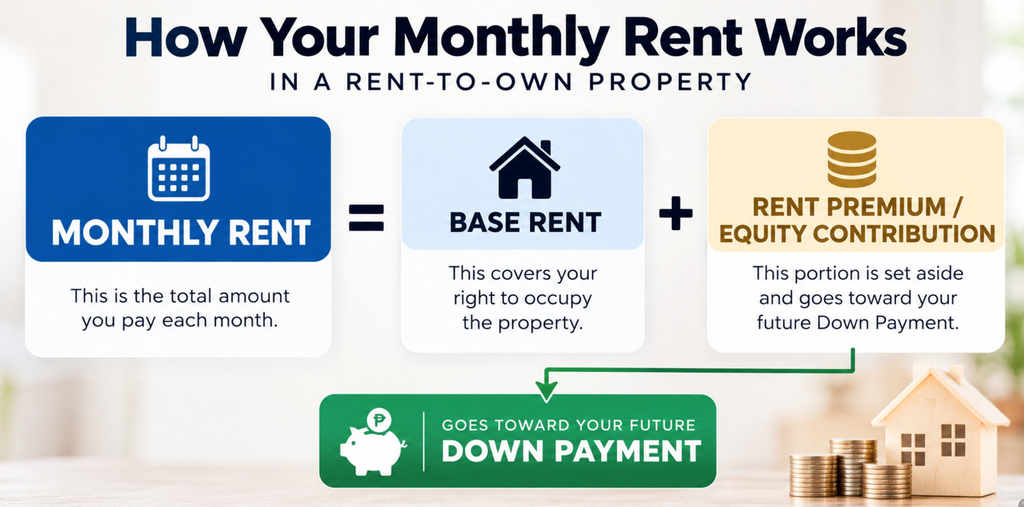
The Two Main Components:
- The Lease Agreement: Details standard renting conditions, such as monthly payments, house rules, maintenance terms, and lease duration (typically 1 to 3 years).
- The Purchase Option/Agreement: Details the fixed sales price of the home, option fees, and how much of your monthly payments will be credited toward your down payment or total price.
Unlike traditional rentals, monthly RTO payments are often slightly higher than market rates. The extra amount (often called a rent premium) is accumulated as your property equity.
2. Can Foreign Nationals Buy Rent-to-Own Properties?
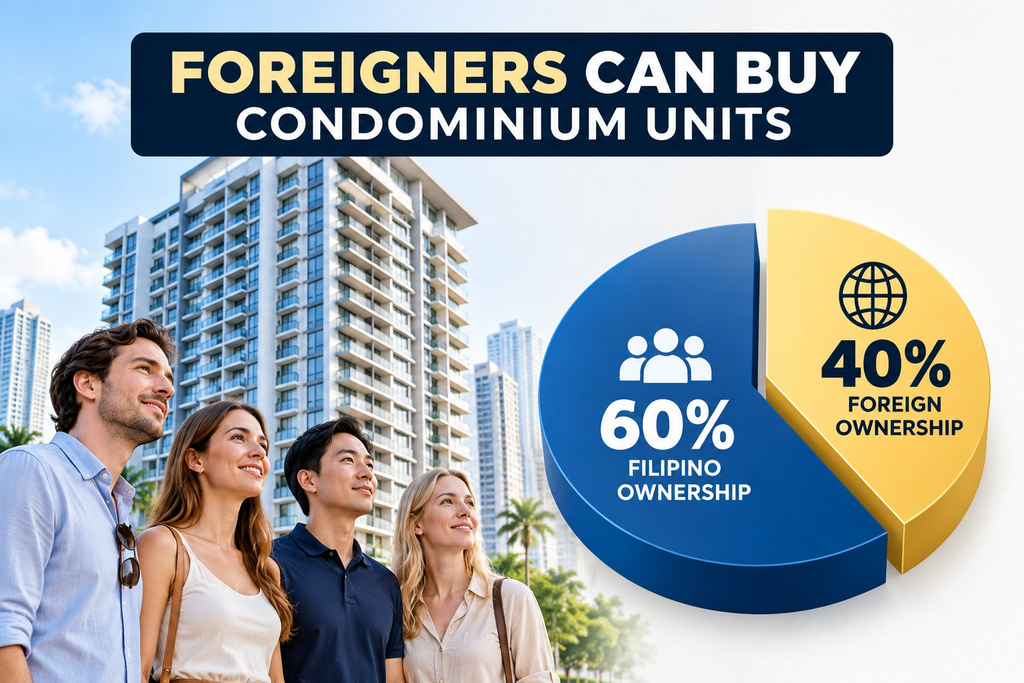
Yes! Foreigners can definitely avail of Rent-to-Own schemes for condominium units.
Under Republic Act No. 4726 (The Philippine Condominium Act), foreign nationals are legally allowed to own condo units outright, provided that foreign ownership in that specific development does not exceed 40% (the remaining 60% must be Filipino-owned). Upon full payment, the buyer receives a Condominium Certificate of Title (CCT) in their own name.
However, foreign buyers should keep the following financing nuances in mind:
Key Considerations for Foreign Buyers:
- Foreign Allocation Check: Ensure the unit falls within the building’s 40% foreign ownership quota before signing.
- Financing Options at Takeout:
- Pag-IBIG Loans: Not available to non-Filipino citizens.
- Local Bank Financing: Generally difficult for non-residents without a permanent resident visa, an ACR I-Card, or a Filipino co-borrower/spouse.
- In-House Developer Financing: The most reliable path for foreign buyers. Developers usually approve financing internally without requiring bank credit reviews, though interest rates may be slightly higher (typically 10%–14%).
- Cash Payment: Paying the remaining 70–80% balance via international wire transfer at the end of the lease.
- Local Payment Setup: Developers usually require Post-Dated Checks (PDCs) from a local bank account. Foreigners who do not yet have a Philippine bank account can assign a trusted representative via a Special Power of Attorney (SPA) to issue payments on their behalf.
3. Types of Rent-to-Own Contracts
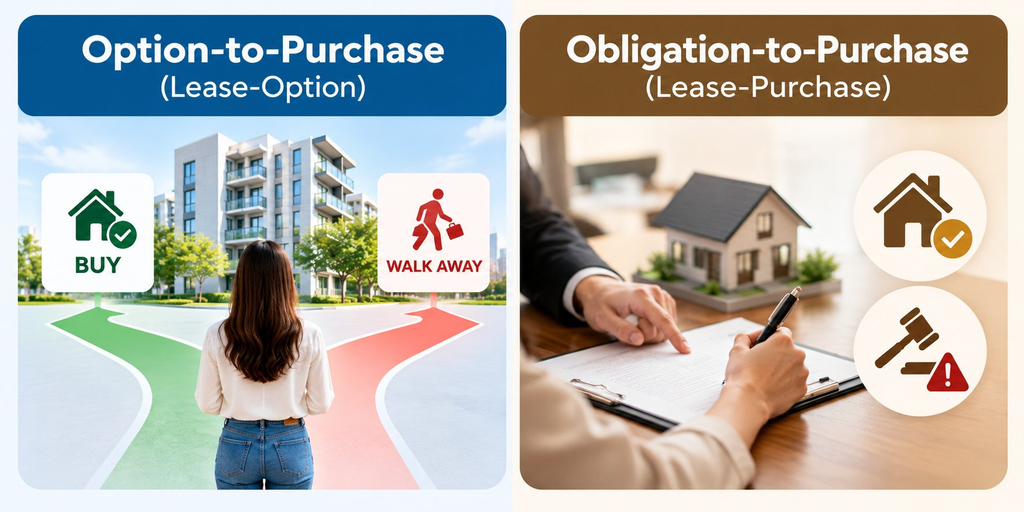
Before committing, it is vital to know which contract type you are offered:
- Option-to-Purchase (Lease-Option): Gives you the right, but not the obligation, to buy the property when the lease expires. If you choose not to purchase, you can walk away, though you will forfeit the accumulated equity premium paid during the lease.
- Obligation-to-Purchase (Lease-Purchase): Legally binds you to buy the home at the end of the lease term. Backing out can result in legal consequences or severe financial penalties beyond losing your down payment.
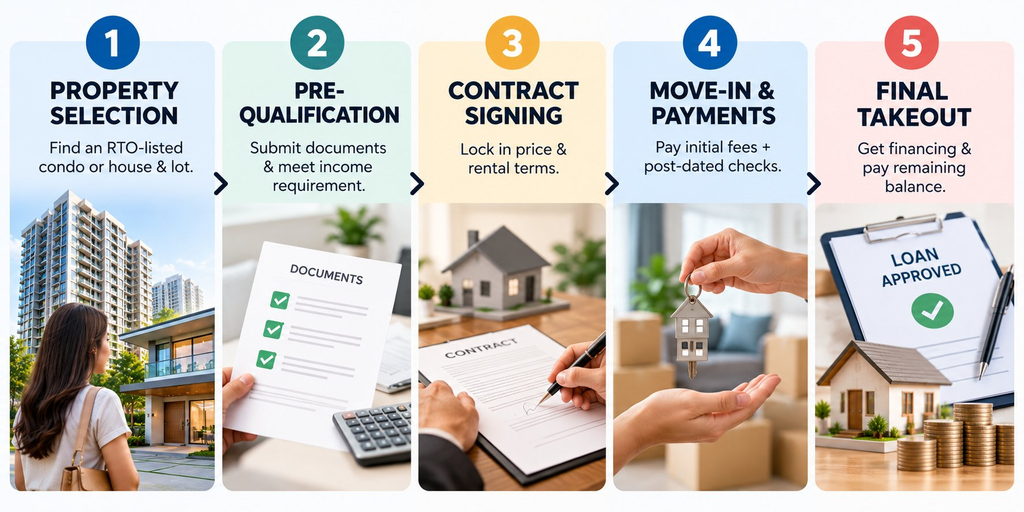
4. Step-by-Step Rent-to-Own Process
| Step | Action | Key Details |
| 1. Property Selection | Find an RTO-listed condo or house & lot. | Direct individual seller or developer listings. |
| 2. Pre-Qualification | Submit initial documents. | Income must usually be 3x the monthly payment. |
| 3. Contract Signing | Lock in price & rental terms. | Finalize fixed property cost, lease length, and equity rates. |
| 4. Move-In & Payments | Pay reservation/down payment + post-dated checks. | Issue PDCs for 12–36 months. |
| 5. Final Takeout | Apply for bank, in-house, or Pag-IBIG financing. | Pay off the remaining balance (~80%) before lease expiry. |
5. Basic Requirements Needed
To qualify for an RTO scheme in the Philippines, developers or property owners typically require:
A. Basic Eligibility
- At least 21 years old.
- Must meet the developer’s age requirements at loan maturity.
- Must meet the property’s citizenship and ownership requirements.
B. Proof of Income
Locally Employed
- Certificate of Employment (COE)
- Latest 3 months’ payslips
- Income Tax Return (ITR)
Self-Employed / Business Owners
- Business permit and BIR registration
- Financial statements
- Latest 6 months’ bank statements
OFWs
- Employment contract or job offer
- Proof of remittances
- Latest payslips
- Special Power of Attorney (SPA), if needed
Foreign Nationals
- Valid passport
- ACR I-Card, if applicable
- Proof of income, such as employment or bank statements
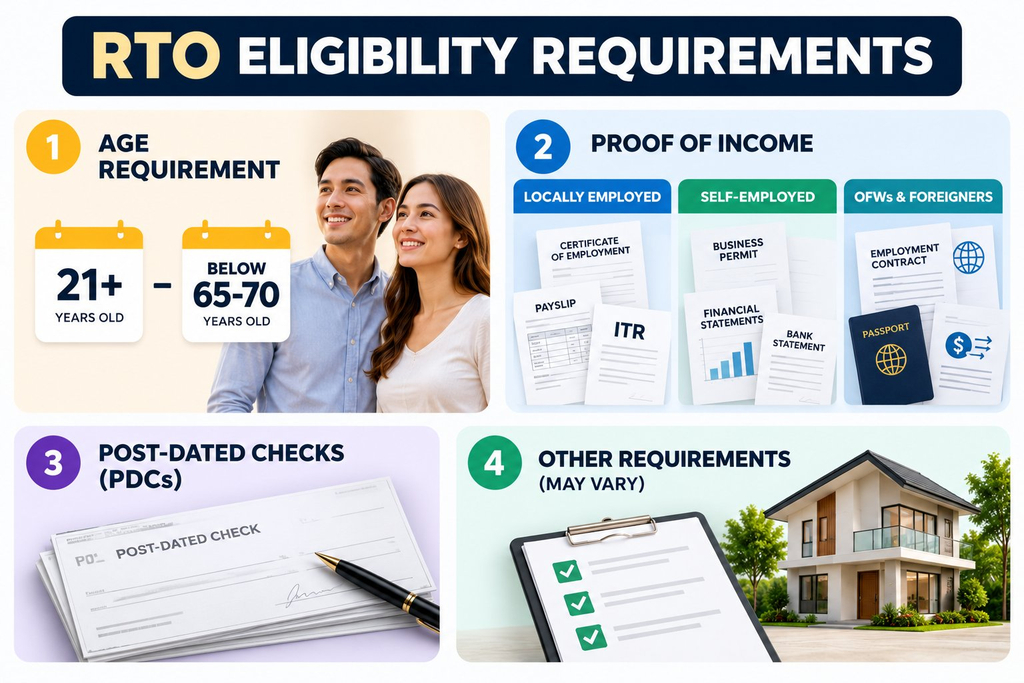
C. Post-Dated Checks (PDCs)
Some developers and direct sellers require post-dated checks to cover monthly payments. Requirements vary by property and payment scheme.
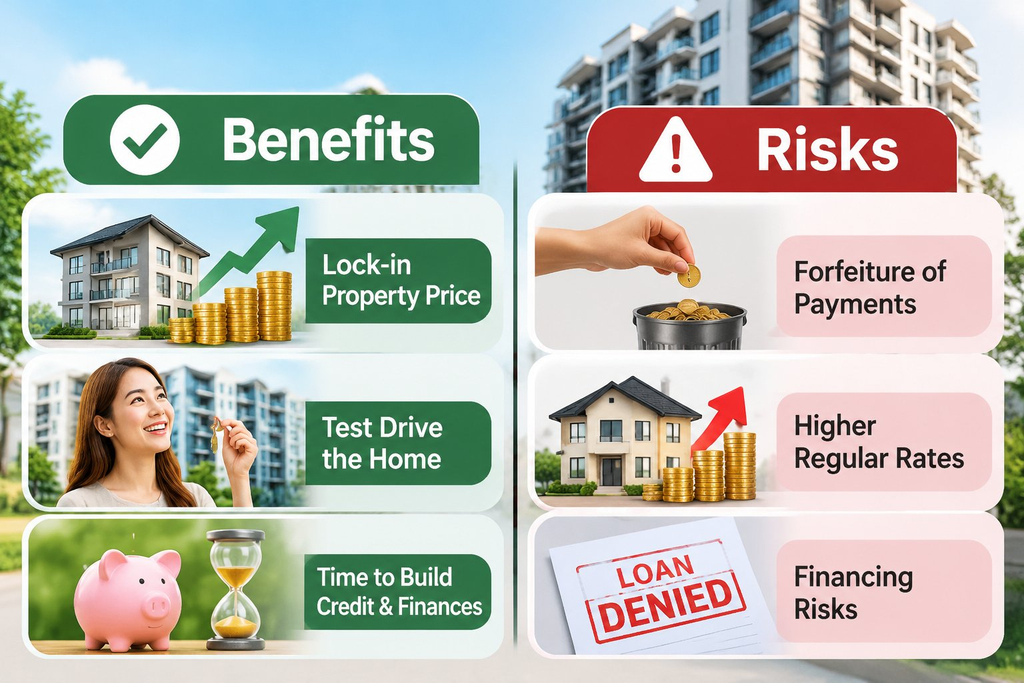
6. Pros and Cons of Rent-to-Own
Benefits
Lock-in Property Price
Property prices in major hubs (like Metro Manila, Cebu, and Davao) appreciate rapidly. An RTO agreement locks in the selling price upfront, protecting you from future market inflation.
Test Drive the Home
You get to live in the home and assess the neighborhood, building management, and community before fully committing.
Time to Build Credit & Finances
Gives you 1–3 years to save up cash or set up developer in-house or bank financing.
Risks
Forfeiture of Payments
If you decide not to buy the property (or fail to secure takeout financing), you lose all option fees and rent premiums paid.
Higher Regular Rates
Monthly rentals are higher than standard rental rates in the same area.
Financing Risks
If your bank loan gets rejected at the end of your lease term, you must have a backup plan (like developer in-house financing) to avoid defaulting.
7. Important Advice Before Signing
💡 Pro-Tip: Always verify the Clean Title of the property with the Land Registration Authority (LRA) or Registry of Deeds to ensure the developer or owner holds a title free of liens or encumbrances. For foreign buyers, confirm the unit is under the 40% foreign allocation.
Consult a Real Estate Lawyer
Have an independent lawyer or licensed real estate broker review the contract clauses. Make sure forfeiture penalties, default clauses, and repair obligations are clearly defined.
Plan Your Final Loan Early
Do not wait until the final month of your lease to prepare your financing. Start setting up your bank or developer financing options at least 6 months before your RTO lease ends.
What Should You Check Before Signing?
Before committing to any rent-to-own property, check these eight things:
- Total contract price: How much will you pay overall?
- Initial payment: What fees must you pay before moving in?
- Monthly payments: Are these rent, purchase installments, or both?
- Remaining balance: How much must you settle to complete the purchase?
- Financing requirements: Can you qualify for the expected loan?
- Cancellation terms: What happens if you can no longer continue paying?
- Ownership transfer: When and how will the property be transferred to you?
- Additional expenses: Are taxes, association dues, utilities, and other charges included?
Request a written computation and carefully review the agreement before signing.
Find Your Next Home with YourHome.ph
Whether you’re searching for a house and lot, townhouse, or condominium, choosing the right property starts with understanding your budget, priorities, and available payment options.
At YourHome.ph, we help buyers explore residential properties in the Philippines and find options that fit their needs.
Check out available properties in the Philippines: www.yourhome.ph


Tags